Co-Located Conference AgendasNanomedicine & LNPs Asia 2026 | Organoids & Organs-on-Chips Asia 2026 | 

Saturday, 21 November 202608:00 | Conference Registration, Materials Pick-Up, Coffee, Tea and Networking | 09:00 | 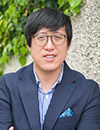 | Conference Chair Welcome and Introduction by Conference Co-Chairperson
Nan Zhang, Associate Professor, University College Dublin, Ireland
|
| 09:10 |  | Conference Chair Welcome and Introduction by Conference Co-Chairperson
Liang Zhao, Associate Professor, Beijing University of Technology, China
|
| |
Session Title: Conference Opening Plenary Session |
| | 09:20 |  | Plenary Presentation Presentation Details to be Confirmed.
Chwee Teck Lim, NUS Society Chair Professor, Department of Biomedical Engineering, Institute for Health Innovation & Technology (iHealthtech), Mechanobiology Institute, National University of Singapore, Singapore
|
| 09:50 | 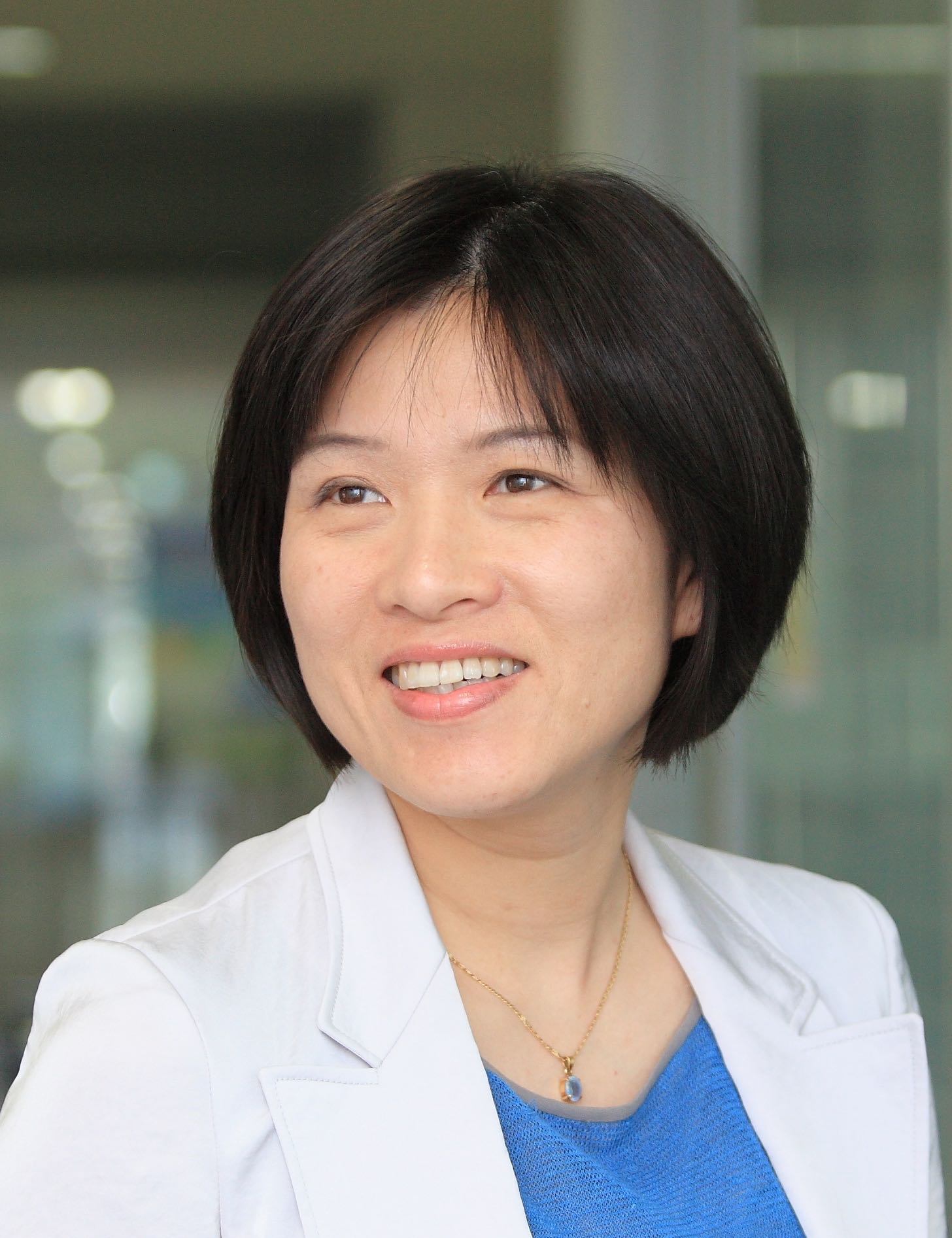 | Plenary Presentation Engineering Liquid Biopsy: From Automated Exosome Analysis to Hand-Powered Point-of-Care Diagnostics
Yoon-Kyoung Cho, Professor, Biomedical Engineering and Dean, UNIST (Ulsan National Institute of Science & Technology), Korea South
Liquid biopsy is transforming precision medicine by enabling minimally invasive access to circulating biomarkers for disease detection and monitoring. Among these biomarkers, extracellular vesicles (EVs) offer exceptional promise due to their molecular richness and stability. However, widespread clinical and global deployment of liquid biopsy technologies remains limited by challenges in sensitivity, automation, cost, and accessibility.
In this talk, I will present our engineering approach based on centrifugal microfluidics to address these challenges across diverse clinical settings, spanning fully automated laboratory systems to hand-powered point-of-care diagnostics. First, I will describe our lab-on-a-disc platforms for high-performance EV analysis, which enable rapid and automated isolation of nanoscale EVs from biological fluids. Building on this foundation, I will introduce a digital EV profiling strategy that allows direct, amplification-free detection of tumor-derived EV RNAs from unprocessed plasma, substantially improving sensitivity for clinically relevant mutations and treatment monitoring. I will then expand beyond centralized laboratories to introduce hand-powered centrifugal diagnostic tools designed for extreme point-of-care environments. These platforms harness manual rotation to perform bacterial enrichment and nanoplasmonic sensing, enabling rapid, electricity-free identification of infectious pathogens with high precision. Together, these technologies illustrate how microfluidic engineering can unify advanced molecular diagnostics with scalable, low-cost solutions, accelerating the translation of liquid biopsy and precision diagnostics from the laboratory to real-world clinical and global health applications. |
| 10:20 |  | Plenary Presentation High-Throughput Reproducible Organ-on-a-Chip Platform: A New Strategy for Drug Validation
Noo Li Jeon, Professor, Seoul National University, Korea South
Accurate prediction of human drug responses during the preclinical stage is essential for successful drug development, yet conventional 2D cultures and animal models often fail to mimic complex human physiology. This seminar introduces an advanced Organ-on-a-Chip (OoC) platform designed to provide a robust validation stage for the drug discovery pipeline.
Our system moves beyond laboratory-scale research by establishing mass-production processes and high experimental reproducibility suitable for the biotech industry. By co-culturing patient-derived 3D tumor spheroids with cancer-associated fibroblasts (CAFs), we have precisely recapitulated the dense stroma and vascular microenvironments of solid tumors.
This platform allows for the evaluation of how small-molecule therapies and large biologics, as well as such as Antibody-Drug Conjugates (ADCs), penetrate the tumor microenvironment. We will present data on patient-specific efficacy and vascular toxicity resulting from endothelial barrier disruption. By combining highly reproducible chip design with sophisticated tumor modeling, this translational research platform significantly enhances clinical predictability and overcomes the limitations of traditional preclinical models. |
| 10:50 | Mid-Morning Coffee and Tea Break -- Visit Exhibitors and View Posters | 11:30 |  | Plenary Presentation Presentation Details to be Confirmed.
Lorena Diéguez, Leader of the Medical Devices Research Group, INL- International Iberian Nanotechnology Laboratory, Portugal
|
| 12:00 | -Ju20264611.jpg) | Conference Chair Personalized 3D Vessel-on-a-Chip and Digital Twins for Thrombotic Risk Assessment and Drug Screening
Lining (Arnold) Ju, Professor and Snow Fellow, School of Biomedical Engineering, The University of Sydney, Australia
This presentation will introduce state-of-the-art 3D microvessel-on-a-chip platforms designed to recapitulate patient-specific vascular anatomies. By integrating microfluidics, hydrogels, and 3D bioprinting, our laboratory has developed "Physical Twins" that model complex hemodynamic flow disturbances and biomechanical thrombosis. Combined with AI-driven "Digital Twins" mapped from clinical CT angiography, this advanced organ-on-a-chip technology enables the personalized assessment of stroke risk, high-throughput antithrombotic drug screening, and the translation of mechanobiology insights into rapid point-of-care diagnostics. |
| 12:30 |  | Plenary Presentation Presentation Details to be Confirmed.
Chenzhong Li, X.Q. Deng Presidential Chair Professor, The Chinese University of Hong Kong, Shenzhen, China
|
| 13:00 | Networking Buffet Lunch in the Hotel Restaurant -- Network and Engage over Lunch | 14:30 |  | Keynote Presentation Precision Medicine with Drug Susceptibility Test on Digital Microfluidics with 2D or 3D Organoid
Yanwei Jia, Associate Professor, University of Macau, China
Digital microfluidics (DMF) is a cutting edge technology for manipulating individual droplets on-chip based on the phenomenon of electro-wetting on dielectric. The utilization of electric signal for droplets control in DMF eliminates the bulky external pumps and valves in traditional channel-based microfluidics, making DMF an ideal system for point-of-care disease diagnosis. In this talk, I will introduce our recent progress in the development of digital microfluidics and its application in precision medicine, including single cell drug screening, wide-ranged flexible sample delivery on-chip controlled with external electric signal, and single or combinational multiple drug screening on-chip etc. We also built a portable DMF device for primary tumor cell drug susceptibility test. The in-vitro drug susceptibility results for instructing precision medicine has been validated in breast cancers in xenograft mice and clinical liver cancers with in-vivo tumor suppression treated by effective drugs on primary tumor cells screened on-chip. We have further generated 3D organoids on-chip for precision treatment. All these investigations have paved the way for automatic digital microfluidic system for precision medicine in the future. |
| 15:00 |  | Keynote Presentation Personalized Vascularized Tumor Organoid-on-a-Chip
Yan-Jun Liu, Professor, Institutes of Biomedical Sciences, Fudan University, China
Unraveling tumor complexity is crucial for advancing targeted therapies and personalized medicine. Organoids have emerged as a powerful platform for cancer research due to their ability to recapitulate key aspects of the tumor microenvironment while preserving the genetic, morphological, and pharmacological features of primary tumors. Despite significant progress in culturing patient-derived tumor organoids (PDTOs), a critical limitation remains: the lack of dynamic, tumor-specific vasculature. This is particularly important, as tumor–vascular interactions play central roles in cancer progression, especially metastasis.
Here, we address this gap by developing a vascularized PDTO-on-a-chip platform that enables comprehensive assessment of tumor metastasis and therapeutic responses. By integrating self-assembled vasculature with PDTOs on-chip, we reconstruct hierarchical and heterogeneous tumor-specific microvascular networks in vitro, overcoming the absence of physiologically relevant vascular support in conventional PDTO systems. Notably, the migratory behavior of PDTOs in our platform closely mirrors the metastatic potential observed in corresponding patients, underscoring its value for personalized metastasis assessment. Furthermore, the response of the system to anti-angiogenic therapy is highly consistent with clinical outcomes, demonstrating its utility for preclinical drug evaluation. Ultimately, the system represents a promising avenue for advancing the understanding of tumor metastasis and developing personalized treatment strategies based on patient-specific tumor characteristics. |
| 15:30 |  | Keynote Presentation Organoid/Organ-on-a-Chip Driven New Paradigm of Biomedicine
Qionglin Liang, Chair Professor of the Ministry of Education's "Changjiang Scholars" Program, Tsinghua University, China
This presentation highlights the latest research and applications of organoid/organ-on-a-chip in the biomedical field, outlining this transformative new technology and its exciting progress. |
| 16:00 | Late-Afternoon Coffee and Tea Break and Networking with the Exhibitors |
|


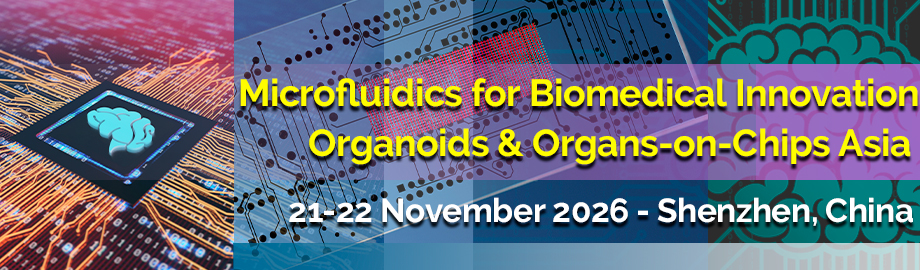
 Add to Calendar ▼2026-11-21 00:00:002026-11-22 00:00:00Europe/LondonOrganoids and Organs-on-Chips Asia 2026Organoids and Organs-on-Chips Asia 2026 in Shenzhen, ChinaShenzhen, ChinaSELECTBIOenquiries@selectbiosciences.com