08:00 | Registration |
|
Day One Morning Session |
| Session Chair: Oliver Stegle, Research Group Leader, EMBL-European Bioinformatics Institute (EMBL-EBI), United Kingdom |
| |
09:30 | 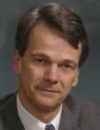 | Keynote Presentation What Can In Vitro Models Really Tell Us?
Brock Reeve, Executive Director, Harvard Stem Cell Institute, United States of America
There is a lot of attention currently on three dimensional in vitro models, organs on chips, etc. but there is much that can still be learned from models based on single cells. This presentation will use several recent examples from work within different HSCI labs in different disease areas and organ systems to see what new understandings of complex diseases have been (and can be) generated as a result of careful development and interrogation of human single cell based in vitro models. |
|
10:15 | Rising to the Challenges of Human iPSC-derived Cells For Tox & Drug Screening
Paul Bello, Director of Operations, Axol Bioscience, United Kingdom
We will present 'in the field' data on our portfolio of human iPSC and primary cells demonstrating their proven ease of use, reliability and consistency as meaningful drug discovery tools. Here, we overcome the challenges of cell line variability and address the needs for cell scale-up in assay campaigns. |
10:45 | Coffee & Networking in Exhibition Hall |
11:15 | Stem Cell Derived Cardiomyocytes in Drug Safety Evaluations: Lessons Learned from the Comprehensive in Vitro Proarrhythmia Assay (CiPA) Initiative.
Gary Gintant, Senior Research Fellow, Abbvie, United States of America
This presentation will describe the critical role of human stem cell derived cardiomyocytes in the CiPA initiative, lessons learned as the project moves towards completion, along with their future role in preclinical cardiac safety testing. |
11:45 | Utilizing hiPSC-Derived Neurons and Cardiomyocytes For Drug Screening
Anne Bang, Director, Sanford Burnham Medical Research Institute, United States of America
Patient-specific primary cells and human induced pluripotent stem cells (hiPSC) complement traditional cell-based drug discovery assays and could aid in the development of clinically useful compounds. We will discuss our high content screening results and development of patient specific hiPSC based models for drug discovery. |
12:15 |  Using Pluripotent Stem Cells in the Age of Genome Editing Using Pluripotent Stem Cells in the Age of Genome Editing
Herbert Mueller-Hartmann, Head of Global Technology Development, Lonza Bioscience
The advantages of different cellular models for cell-based assays will be discussed. Among other developments, the use of induced pluripotent stem cells (iPSCs) has opened up new possibilities, including new types of disease modeling.
|
12:45 | Lunch & Networking in Exhibition Hall |
13:30 | Poster Viewing Session |
14:15 |  Technology Spotlight: Technology Spotlight:
Disease-modelling using Human Induced Pluripotent Stem Cell Derived Cells
Dominic Hussey, Senior Account Manager, Cellular Dynamics International Inc
This presentation will detail recent advances in using cells differentiated from HiPSCs for innate, induced and infectious disease modelling. Data will be presented to show how Neuronal, Hepatic and Cardiac Lineages are used in these experiments.
|
14:30 | Using Stem Cells Models To Understand Effects Of Gene And Environment On Disease
Zameel Cader, Director and Principal Scientist, IMI StemBANCC, University of Oxford, United Kingdom
In this presentation, I will discuss the use of human induced pluripotent stem cells to understand pathogenic mechanisms in neurological disorders and explore the effects of gene mutations and environmental signals on disease models. |
15:00 | |
15:45 | Coffee & Networking in Exhibition Hall |
16:15 | Organotypic 3-dimensional Spheroid Cultures: Pre-clinical Testing Paradigms
Wendy Purcell, Chair, National Council for Healthcare Science in Higher Education, United Kingdom
The development of 3D organotypic cell cultures, spheroids, will be described together with characterisation and functionality assessment data. Their potential as models for pre-clinical science and biomedicine will be outlined. |
16:45 | 3D Human Pluripotent Stem Cell-Derived Heart-In-A-Jar: Insights For Driven Maturation, Drug Discovery, Cardiotoxicity Screening And Disease Modelling
Ronald Li, Professor, Director, Stem Cell & Regenerative Medicine Consortium (SCRMC), Hong Kong University, Sweden
|
17:15 | Drinks Reception in the Exhibition Hall |
18:45 | End of Day One |