

Shannon MumenthalerAssistant Professor of Medicine & Biomedical Engineering, University of Southern California, Ellison Institute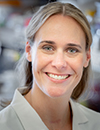 Shannon Mumenthaler, PhD, is an Assistant Professor of Medicine and Biomedical Engineering at the University of Southern California. She is also the Laboratory Director for the Ellison Institute of Transformative Medicine, which is a translational institute that bridges research and innovation by bringing together researchers, patients, and physicians dedicated to improving human health. Her multidisciplinary research program is focused on providing new insights into the significance of the physical and cellular microenvironment on colorectal cancer progression through the development and utilization of physiologically relevant, organ-dependent tumor models that allow for the characterization of cancer cell dynamics, and serves as a platform for testing specific therapeutic modalities. |
Danilo TagleDirector, Office of Special Initiatives, National Center for Advancing Translational Sciences at the NIH (NCATS)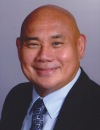 Dan Tagle is Director of the Office of Special Initiatives at NCATS where he many coordinates efforts towards development of disruptive technologies in translational research. He obtained his Ph.D. in Molecular Biology and Genetics from Wayne State University School of Medicine. He was an NIH National Research Service Award postdoctoral fellow in Human Genetics at the University of Michigan. He has served on numerous committees, advisory boards, and editorial boards. He has authored many scientific publications and has garnered numerous awards, including more recently the Roscoe O. Brady Award for Innovation and Accomplishment, and the Henry J. Heimlich Award for Innovative Medicine. |
George TruskeyR. Eugene and Susie E. Goodson Professor of Biomedical Engineering, Duke University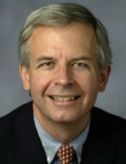 George Truskey is the R. Eugene and Susie E. Goodson Professor and Senior Associate Dean for Research in the Pratt School of Engineering. Dr. Truskey's research interests include cardiovascular tissue engineering, microphysiological systems, and the mechanisms of atherogenesis. He also studies cell adhesion and cell biomechanics, for which he focuses upon the effect of flow on endothelial cell adhesion to synthetic surfaces and monocyte adhesion to endothelium. He received a PhD degree in 1985 from MIT. He has been a faculty member in the Department of Biomedical Engineering at Duke since 1987. From 2003-2011, he was Chair of the Department of Biomedical Engineering at Duke University. He is the author of over 110 peer-reviewed research publications, a biomedical engineering textbook entitled Transport Phenomena in Biological Systems, six book chapters, over 180 research abstracts and presentations, 1 patent and 2 patent applications. He is a Fellow of the Biomedical Engineering Society (BMES), the American Institute of Medical and Biological Engineering, and the American Heart Association. He was president of BMES from 2008 to 2010. He received the Capers and Marion McDonald Award for Excellence in Mentoring and Advising from the Pratt School of Engineering at Duke (2007) and the BMES Distinguished Service Award (2012). |
Matthias von HerrathVice President and Senior Medical Officer, Novo Nordisk, Professor, La Jolla Institute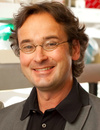 Dr. Matthias von Herrath is committed to clinical translation of immune-based interventions in autoimmune and metabolic diseases, the latter in particular being an exciting emerging field. His expertise and main strength is working at the interface of experimental research to interpret and refine early phase I/II clinical trials in order to optimize strategies for phase 3 trials and drug approval. This comprises translation from various animal models to human interventions, optimization of immunotherapies and their relative ranking, assessment of combination therapies, development of biomarkers as primary or secondary outcomes, induction of antigen specific tolerance in autoimmunity, regulatory cells and clinical T cell assays. In order to be better able to pursue his goal of clinical translation, Dr. von Herrath accepted the position of Vice President and Head of Novo Nordisk’s diabetes R&D Center in Seattle in autumn of 2011. At Novo Nordisk, he built the diabetes translational unit, which is based on less conventional and innovative design. In addition, he took on the task of finding new treatments to diabetic kidney disease in 2017. In 2018 he moved to the CMO office as many of the interventions are now at a later developmental stage and the position allows bridging between patient needs and trial design, biomarkers and basic mechanistic insight. |


